Tokyo — After the Last Train
When the last train departs, Tokyo reveals a quieter, more intimate version of itself.
JOURNAL
2/24/20262 min read
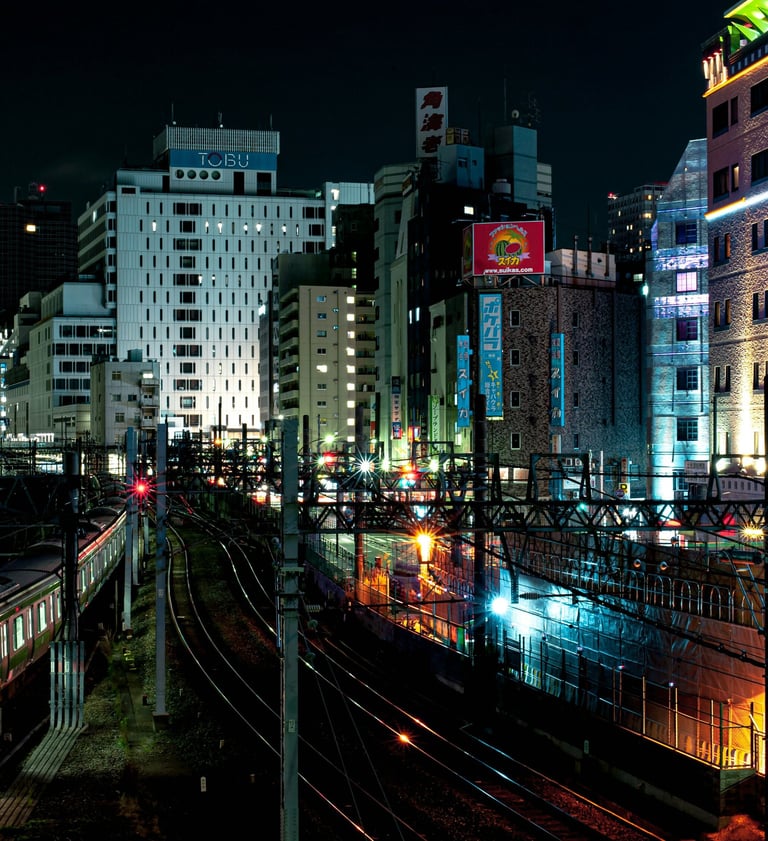
A moment people never see
It begins with a sound.
Not an arrival, but a departure.
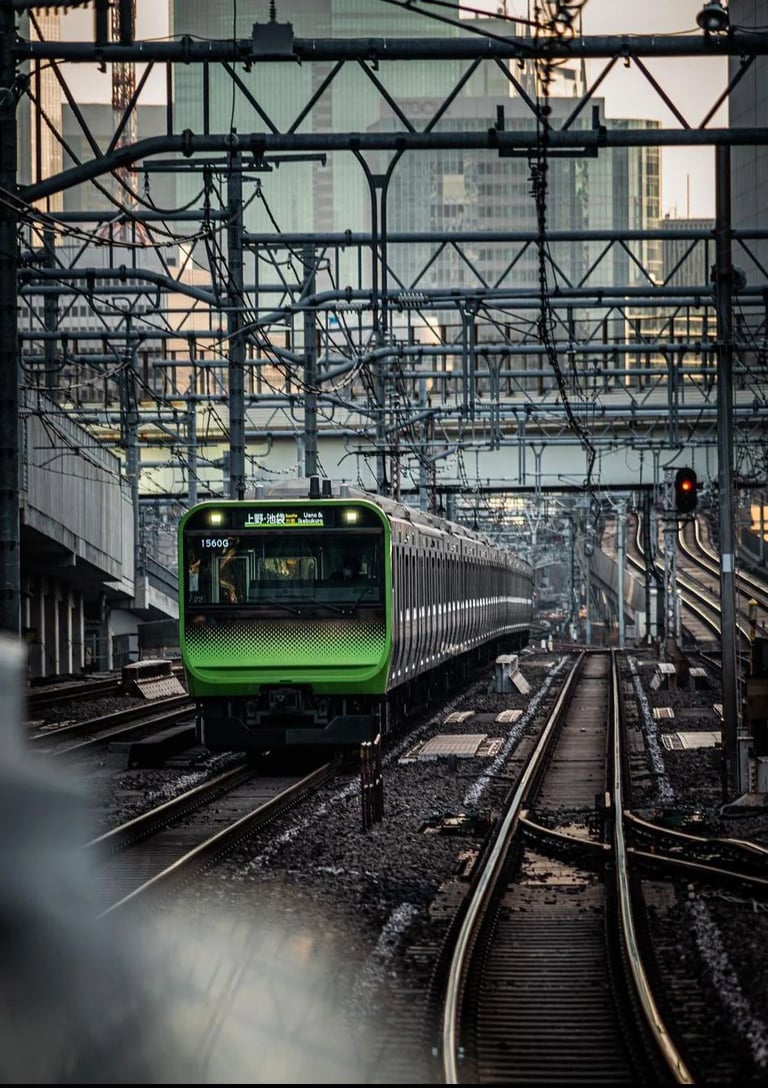
The last train leaves the platform. The doors close with precision. The carriage disappears into the dark, carrying with it the urgency of the day.
And then, something unusual happens.
Tokyo slows down.
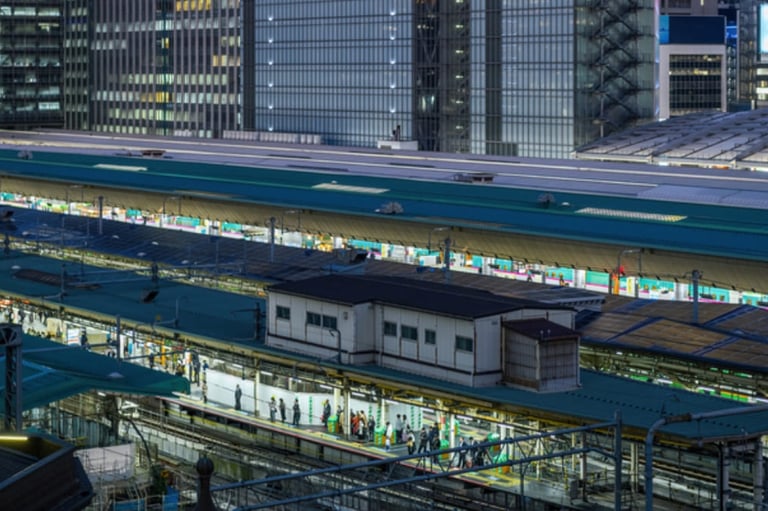
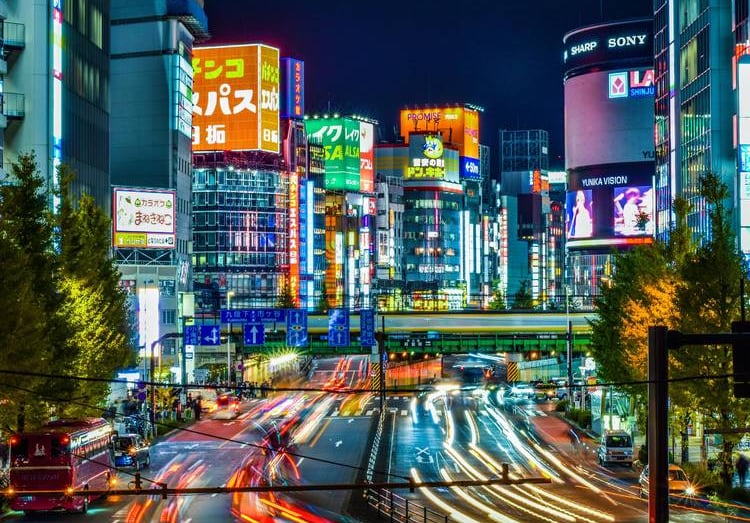
When the city resets
Eventually, the first trains will return. Shutters will open. The flow will resume.
But for a few hours, between yesterday and tomorrow, Tokyo exists in suspension.
Unobserved.
Unperformed.
Complete.
And if you are still there, walking without destination, you understand something essential:
Tokyo is not defined by its movement.
But by what remains when the movement stops.
The city without momentum
During the day, Tokyo moves with purpose. Millions of trajectories intersect without friction. Every crossing is choreography. Every station, a system.
But after the last train, the system pauses.
The salarymen who missed it walk alone under fluorescent lights. Taxi doors open and close with quiet efficiency. Convenience stores continue their endless day, but without the pressure of queues.
The city is still awake.
Just no longer in a hurry.
Silence, differently expressed
Silence in Tokyo is not the absence of sound.
It is the absence of demand.
Neon signs continue to glow, but for no one in particular. Vending machines stand illuminated like small monuments to availability. A bicycle passes. Footsteps echo briefly, then dissolve.
In these hours, Tokyo belongs to itself again.
You begin to notice the space between things.
The freedom of disconnection
Missing the last train in Tokyo is considered an inconvenience.
But it is also an invitation.
With nowhere to be, and no fast way to get there, the city becomes walkable in a different way. Distances feel softer. Time expands.
You are no longer moving through Tokyo.
You are inside it.
TravelScope
Curated travel experiences worth your time
© 2026 MosTag Studio. All rights reserved.
TravelScope is a curated travel platform available at atravelscope.com